


Welcome to the JUMP Reading blog
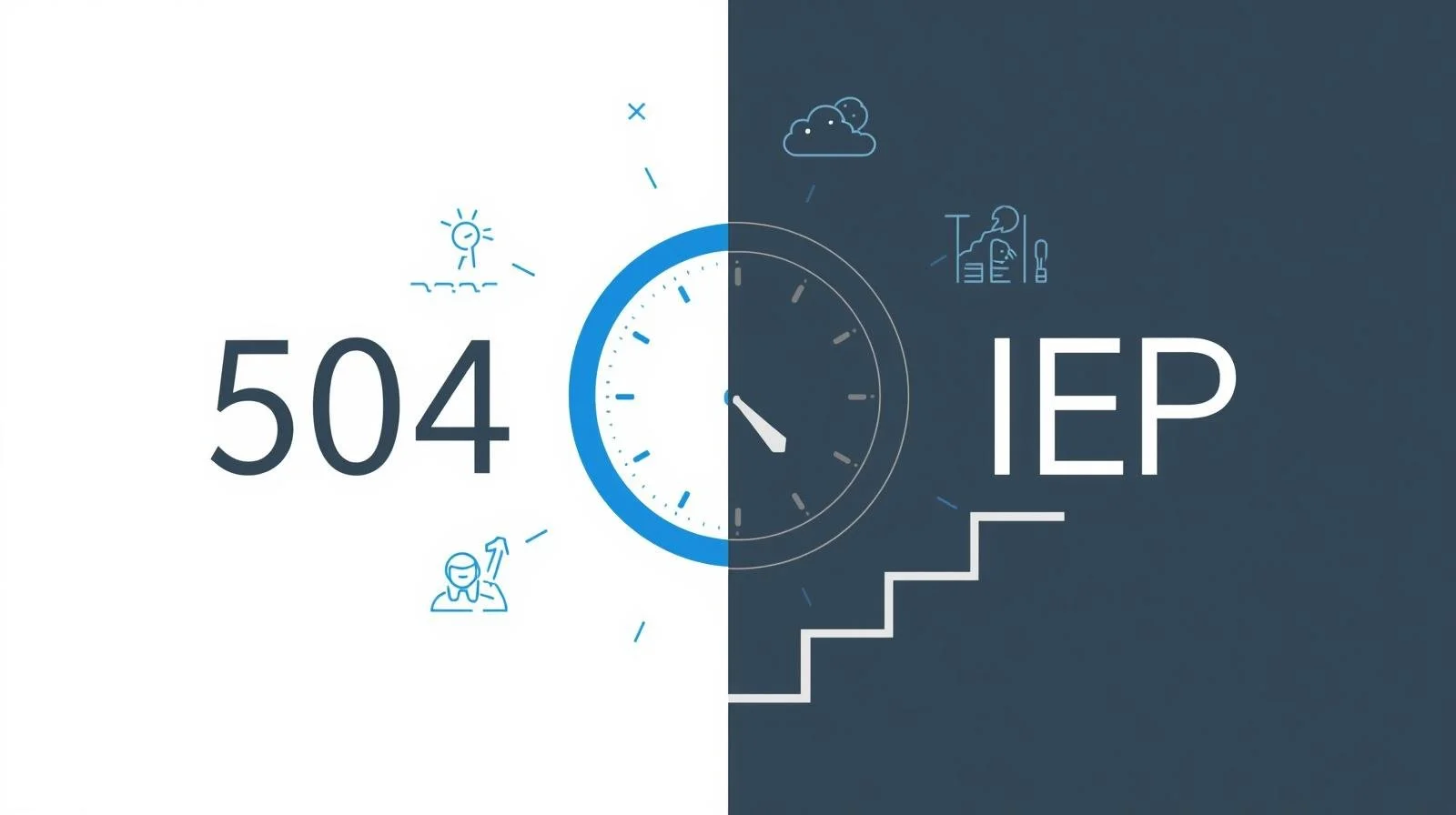
IEP or 504: What’s Actually Different and Why It Matters
Two plans. Two different laws. Two very different levels of support. If your child’s school has mentioned either an IEP or a 504 plan, the difference is not a technicality; it will shape every school day your child has. Here is what you need to know to make the right call.

What Is an IEP and Why Does It Matter?
Three letters can change your child’s school experience: IEP. If the school has brought up an evaluation, or you’ve had that nagging feeling your child needs more support, you’re in the right place. This blog breaks down what an IEP is, how it works, what rights you have, and how to speak up for your child every step of the way.

Late Start, Strong Finish: Supporting Older Kids with Dyslexia
If your child is older and still struggling to read, it can feel like the window has closed. It hasn’t. This blog explains why progress remains possible at any age, what older students actually need, and how the right instruction can rebuild both skills and confidence, step by step.

The Greatest Tragedy in U.S. Education
Dyslexia affects 1 in 5 people. It is common, well understood, and highly teachable, yet most children who struggle to read never receive a clear explanation for why. This blog examines what the research actually shows, why the system continues to fail these children, and what happens when schools finally choose to act. If your child is one of them, you are not alone. This will not go away on its own, and it will not be like this forever.

How to talk to your Child About Dyslexia
Talking to your child about dyslexia can feel heavy. It doesn’t have to. This blog helps you understand what dyslexia actually means, what to say (and what to avoid), and how to explain it in a way your child can understand, without fear, confusion, or self-doubt.

How to Reframe Reading: For Struggling Readers
The strengths of dyslexia are boundless. And yes, they might seem pacifying or even inauthentic. Yet, when supported, people with dyslexia will rely on these strengths in adulthood, personally and professionally.

Keep Reading Progress Strong Through Life’s Busy Seasons
Why consistency is especially important for dyslexic learners and what actually happens when reading support is interrupted. You will learn why missed sessions affect momentum, how accountability protects progress, and what families can do during busy seasons to keep learning moving forward.

I Just Learned My Child Is Not Reading on Grade Level… What Do I Do?
Hearing that your child is not reading on grade level can feel overwhelming and confusing. Let’s talk about what to do next, how to ask the right questions, and how to find effective reading support grounded in structured literacy. Learn how to move from worry to a clear, hopeful plan forward.

When the Wrong Support Hurts Twice
When reading support doesn't work, children don't question the program. They question themselves. That quiet conclusion, maybe I'm just too hard to teach, is often more damaging than the reading struggle itself. And it's one of the things that makes finding the right support so important, not just for progress, but for protecting your child's belief that progress is even possible.

2nd & 3rd Grade Reading Red Flags: What to Watch For and What Helps
Second and third grade are pivotal years for reading development. As classrooms shift from learning to read to reading to learn, many children with dyslexia begin to struggle more visibly, despite trying hard. This post explains the most common red flags to watch for in 2nd and 3rd grade, what those signs usually mean, and how the right kind of instruction can change the trajectory.
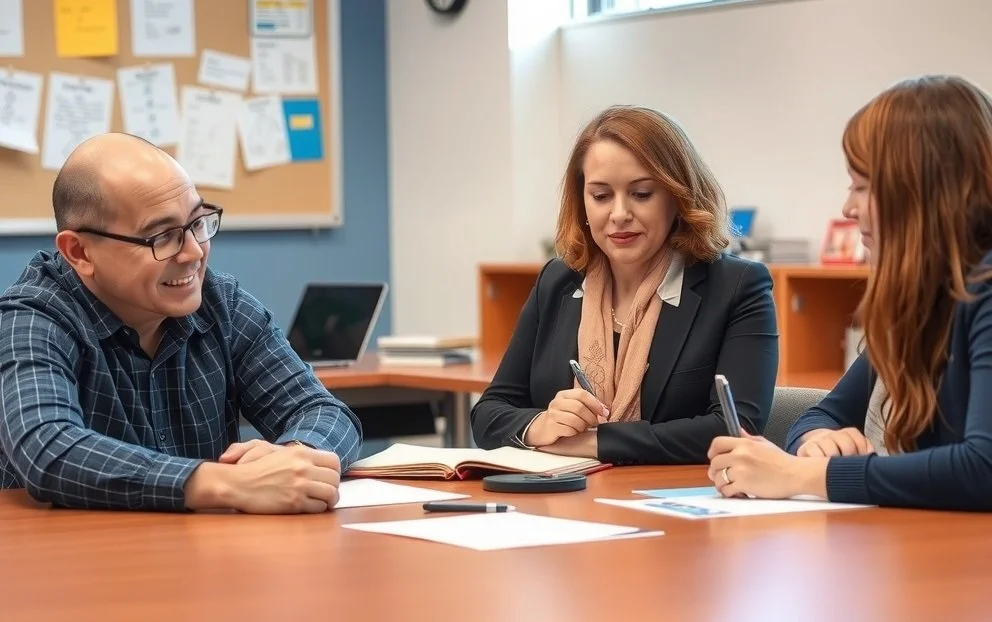
Advocating for Your Child with Dyslexia: A Parent’s Guide
You are your child's greatest advocate, but knowing where to start, what to document, and when to push back can feel overwhelming. This guide walks you through the practical steps every parent should take when navigating the IEP process, from asking the right questions in meetings to recognizing when it's time to bring in outside support, because your child deserves a team that's fully equipped to fight for them.

Beyond Accommodations: Why Your Dyslexic Child Needs More Than Extra Time
Many students with dyslexia receive classroom support, yet reading continues to be hard. This post clarifies the critical distinction between access and instruction and why accommodations alone do not teach a child to read. You’ll learn how structured, evidence-based intervention drives real skill development, preserves confidence, and helps children move beyond coping toward lasting, measurable progress.

Signs Your Dyslexia Intervention Is Working (And When to Pivot)
Reading intervention takes time, but it should never feel like guesswork. This post helps parents understand what meaningful progress in dyslexia intervention actually looks like, how long growth typically takes, and which signs suggest it may be time to adjust the approach. You’ll learn how to recognize real skill development, identify red flags early, and make informed decisions that protect both your child’s confidence and long-term reading outcomes.
How the Dyslexic Brain Works: A Parent-Friendly Guide to the Science
Dyslexia changes how the brain processes written language, not your child’s intelligence or effort. We explain what is actually happening in the dyslexic brain and why reading feels harder despite strong motivation. You will learn how structured literacy supports real brain change and why the right instruction, not more practice, leads to progress. With clarity, science, and hope, this blog helps you understand both the challenge and the path forward.

A Skill Issue, Not a Will Issue: What Every Parent Should Know About Dyslexia
Your child may be putting in more effort than their peers and still struggling to read. Dyslexia is a skill-based learning difference, not a lack of motivation or intelligence. You will learn how structured, evidence-based instruction builds the specific reading skills your child needs, and why the right instructional tools, not increased pressure, create meaningful, lasting growth.

Ear Reading Isn’t Cheating: Why Audiobooks Are a Game-Changer
Many parents worry that listening to books is a shortcut. This blog explains why audiobooks, often referred to as “ear reading,” are a powerful tool for children with dyslexia and reading challenges.

Play Is Practice: Supporting Reading Through Everyday Activities
Children often learn best when reading feels approachable and achievable. Gentle exposure builds willingness. Willingness builds practice. Practice builds skill. Skill builds fun. Here are practical, dyslexia-friendly ways to build reading through daily life.

Reading is hard, but you can do this
You have heard it before. “You can learn to read… you just need to practice more.” This simple comment …. so confusing, so frustrating.
A blog post intended for you to read to your child.

How can I help my child practice their reading skills?
You're here looking for answers and championing for your child. That makes you an amazing parent! Let’s talk about a few things every parent needs to know. And then let’s talk about four effective strategies to support your child’s reading.

Why Remote Reading Therapy
Remote instruction is as effective as in-person services with extra-flexibility and consistency.